I went to Little Tokyo today to check out Capcom’s first store pop-up in the United States.
Then I saw the line.
And very quickly realized I was not built for that wait.
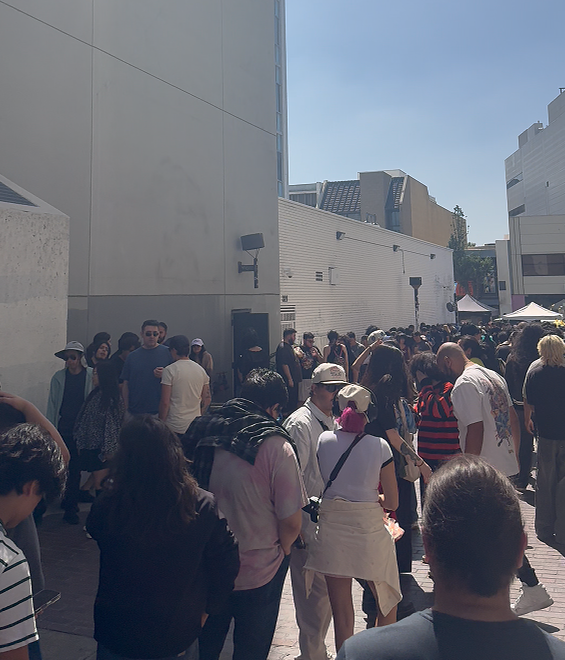
So no, this did not turn into the heroic story where I stood outside for hours, fought through the crowd, and emerged carrying rare Capcom merchandise.
I looked at the line, accepted that I was not built for the wait, but I was still going to check it out.
But honestly, seeing that many people show up ended up being more interesting than I expected.
Because once you actually look at what Capcom represents — Street Fighter, Mega Man, Resident Evil, Monster Hunter, Devil May Cry, Ace Attorney — it’s kind of ridiculous how much gaming history is tied to this one company.
And apparently a lot of people in Los Angeles were willing to stand outside in the sun to celebrate it.
Capcom’s First U.S. Store Pop-Up Is in Little Tokyo
The Capcom Store Pop-Up opened September 19 at Little Akihabara in Little Tokyo, Los Angeles, and runs through October 18.
Capcom already operates official stores in Japan and Taipei, but this is the company’s first Capcom Store pop-up in the United States.
Which makes Little Tokyo a pretty fitting place to try it.
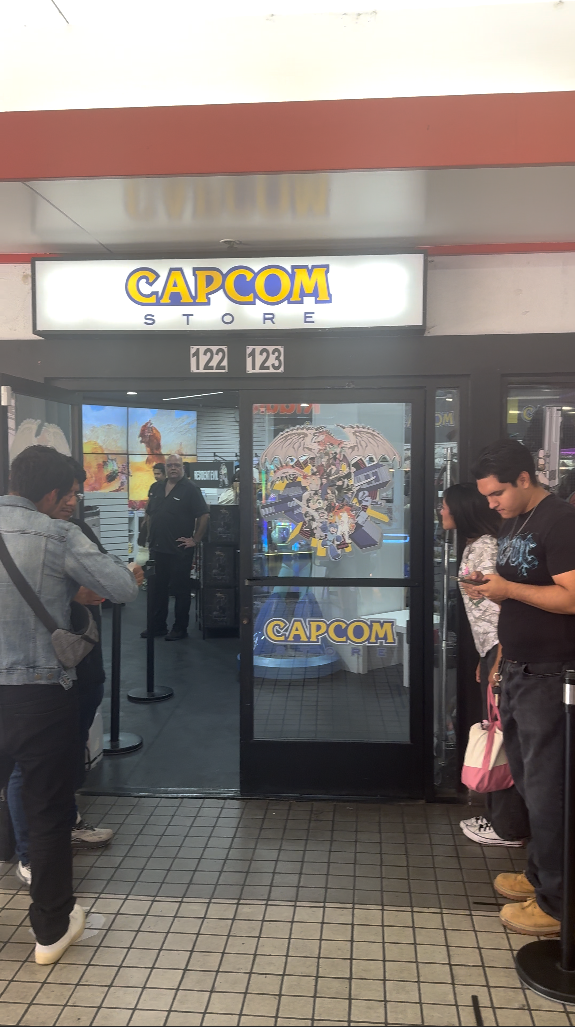
This isn’t just a room full of Capcom shirts, either.
The store has merchandise tied to franchises like Street Fighter, Resident Evil, Monster Hunter, and Mega Man, along with life-size displays and other Capcom stuff that normally isn’t quite as easy to stumble into in Los Angeles.
But opening weekend has another reason for the crowd.
For September 19 and 20, a limited number of visitors can play the first public U.S. demo of Mega Man: Dual Override.
The first 50 attendees each day also get a limited Tokyo Game Show item.
So yeah.
That explains at least part of the line.
The Line Was the Part I Didn’t Expect
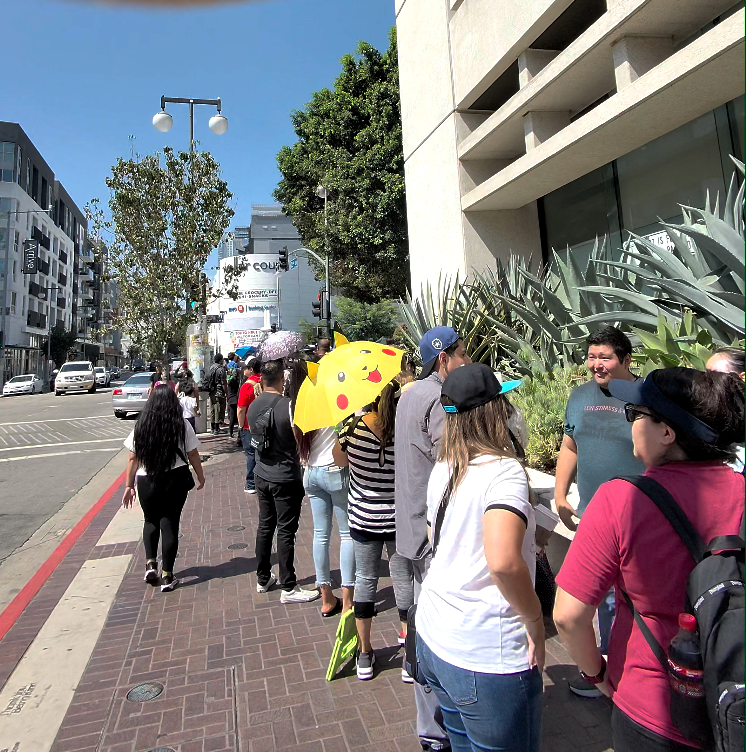
There’s something funny about gaming being one of the most digital hobbies imaginable, then watching hundreds of people physically line up around a building because of it.
I went there thinking I’d check out a Capcom pop-up.
Instead, the line was what stuck with me.
I grew up knowing Capcom mostly through games like Street Fighter and Mega Man. I’m pretty sure I played Mega Man on a Game Boy at some point too, although that memory is fuzzy enough that I’m not about to pretend I remember exactly which one.
But seeing everybody there reminded me just how long these characters have been around.
Mega Man first released in 1987.
Street Fighter goes back to the same era.
And somehow these franchises still have enough pull decades later to get people out of the house and standing in a line in downtown LA.
That’s pretty cool.
Especially because the game at the center of this particular event is basically Capcom bringing one of its oldest series back after a pretty long break.
Mega Man: Dual Override Is the Bigger Story
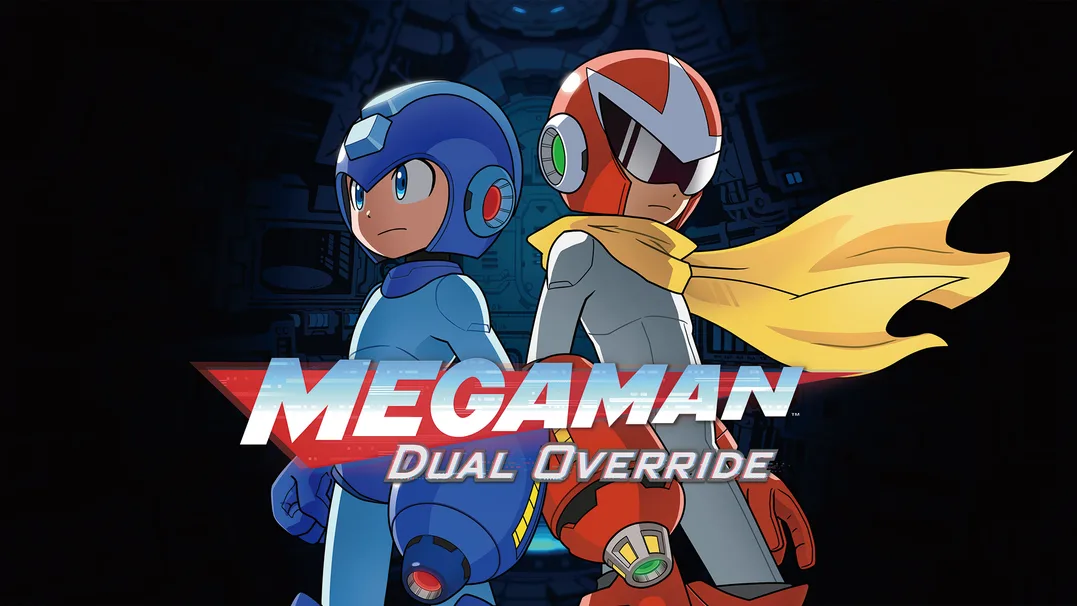
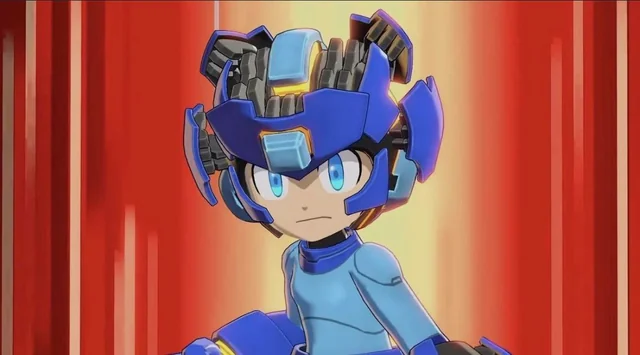
Mega Man: Dual Override is the next mainline Mega Man game.
Mega Man 11 came out in 2018, so Dual Override arrives after roughly eight years without a new mainline entry.
It’s scheduled for 2027 — the same year the Mega Man series turns 40.
That timing alone makes the game interesting, but Capcom isn’t just making Mega Man 11 again with nicer graphics.
The basic structure is still very Mega Man: side-scrolling stages, platforming, robot enemies, bosses, and Robot Masters.
But Capcom is also making some surprisingly practical changes.
According to a PlayStation hands-on preview, sliding now has its own button, extra lives are gone, and checkpoints are more frequent.
Nothing there sounds revolutionary.
That’s probably the point.
It’s still supposed to feel like Mega Man. Capcom just seems less interested in preserving every bit of friction simply because that’s how games worked 30 years ago.
And then we get into the actually new stuff.
Custom Chips Let You Change How Mega Man Plays
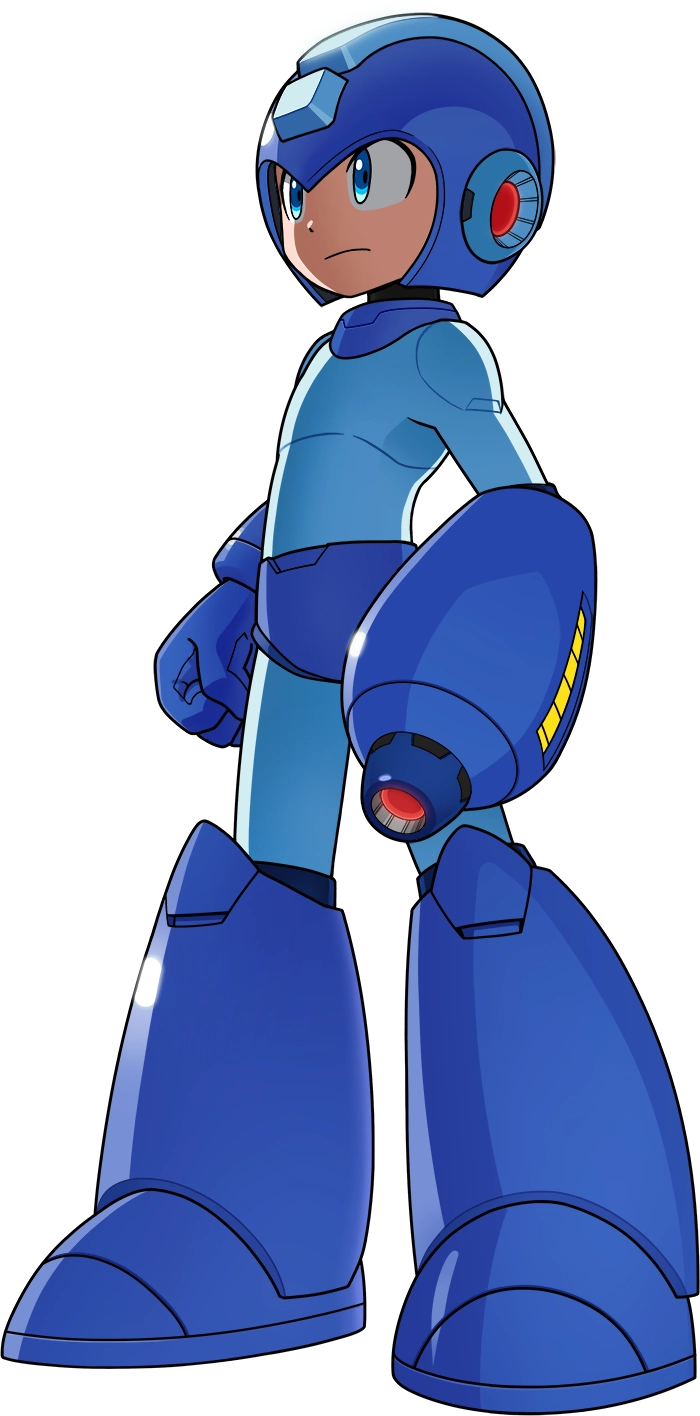
One of the biggest additions is the Custom Chip system.
Before a level, players can equip chips that add different abilities and change how they approach a stage.
Capcom has shown chips that can give you a protective shield, automatically charge the Mega Buster, summon Rush Coil assistance, add rapid-fire abilities, or even let you hover.
And according to Capcom’s reveal, the game will have more than 50 Custom Chips.
That’s a pretty big change for a series built around such a recognizable moveset.
Instead of every player entering a stage with basically the same toolbox, Dual Override adds an actual build layer.
Want extra protection? There’s a chip for that.
Want movement options?
Different chip.
Want Mega Man firing like somebody installed an illegal firmware update?
Apparently that’s an option too.
Override Is Basically Mega Man Overclocking Himself
The other major mechanic is right there in the title: Override.
Fighting enemies charges a meter. Once it’s ready, activating Override temporarily removes the character’s limiter and gives them a big increase in power.
For Mega Man, that can mean rapid-fire attacks and a much more aggressive burst of damage.
But it isn’t free.
When Override ends, the character becomes temporarily weakened while recovering.
So you’re basically overclocking a robot and then dealing with the consequences of overclocking a robot.
Honestly, checks out.
It turns what could have just been another super mode into a risk/reward decision.
Use it at the right time and you can melt through a dangerous encounter.
Use it badly and now you’re standing in front of a boss while your robot is effectively asking for a minute.
Proto Man Isn’t Just a Cameo This Time
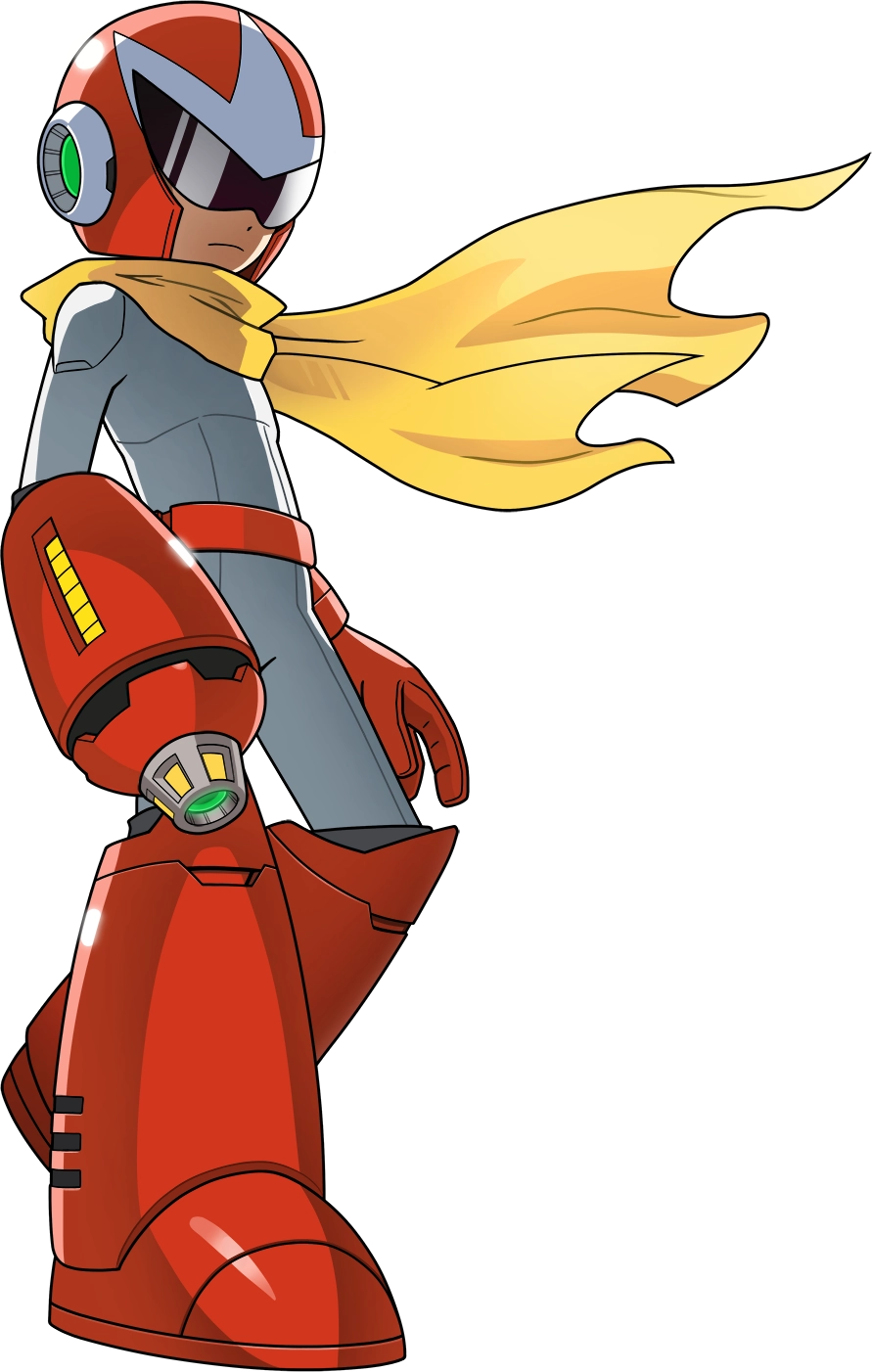
The other big reveal is Proto Man.
He’s a second playable character in Dual Override, and Capcom isn’t treating him like a Mega Man skin with red armor.
Proto Man has his own combat style built around getting closer to enemies.
His Proto Buster is designed around shorter-range, harder-hitting attacks, while his shield can be used as part of both his offensive and defensive toolkit.
Capcom’s recent Proto Man breakdown describes him as the more aggressive close-range option compared with Mega Man.
That’s probably one of the more interesting changes here.
Mega Man stays closer to the classic ranged playstyle, while Proto Man gives you a reason to approach the exact same game differently.
Two characters that actually play differently is much more interesting than two characters where one just happens to have a cooler scarf.
Although the scarf is doing a lot of work.
There Are New Robot Masters — and Some Old Faces
Capcom has also started revealing the bosses.
One new Robot Master is Twinkle Girl, who has a fireworks and nighttime-entertainment theme.
And Astro Man, originally from Mega Man 8, is returning.
Capcom has already teased the idea that Astro Man might not be the only classic Robot Master coming back, which makes sense for a game arriving during the franchise’s 40th-anniversary year.
There’s also a fan component.
After announcing Dual Override, Capcom launched a Robot Master Design Contest asking players to submit ideas for a boss with a right arm built around massive suction powers.
The company eventually narrowed the submissions to six finalists, with the development team choosing one to appear in the finished game.
There’s something very Mega Man about letting fans help design a ridiculous robot you’re eventually going to have to fight.
Little Tokyo Might Be Becoming a Testing Ground for Japanese Gaming Brands
The other interesting part of all this isn’t really about Mega Man.
It’s Little Tokyo.
Little Akihabara recently hosted a SEGA pop-up, and now Capcom has chosen the same area for its first U.S. Capcom Store experiment.
When you start adding in brands like Square Enix, HoYoverse, and the other Japanese gaming and pop-culture companies that already have a presence around this part of Los Angeles, a pattern starts to appear.
Little Tokyo makes a lot of sense as a place to test this stuff.
It’s compact. It’s walkable. And somebody who comes specifically for a Capcom event probably isn’t immediately getting back in their car afterward.
They’re already surrounded by ramen shops, cafés, bookstores, collectible stores, and other small businesses.
It’s awesome seeing the boost in the local economy.
It’s hard to put a dollar figure on one pop-up, but the effect is pretty easy to imagine. A gaming event that brings hundreds of fans into the neighborhood doesn’t just create sales inside the event itself. It puts all of those people right next to restaurants, cafés, bookstores, and other retailers.
Little Akihabara has been steadily building that kind of draw with SEGA, Square Enix, HoYoverse, and now Capcom.
One event obviously doesn’t tell us exactly how much money spills into the surrounding neighborhood, but you can see how the whole thing works.
People come for Mega Man.
They wait.
They wander around.
They eat.
They shop.
Maybe they discover somewhere they wouldn’t have driven into downtown LA for otherwise.
The pop-up is temporary.
The extra attention it brings to Little Tokyo doesn’t necessarily stay inside the pop-up.
Maybe the Line Mattered More Than Getting Inside
I went to Little Tokyo thinking this was going to be a quick look at Capcom’s first U.S. store pop-up.
Then I saw the line and immediately abandoned that plan.
But weirdly, I don’t think I missed the interesting part.
The turnout was the story.
Capcom isn’t just selling shirts and plushies. It’s giving fans a physical place to gather around franchises that have been part of gaming for decades.
At the same time, Mega Man: Dual Override is bringing one of those franchises back with a new mainline game, a second playable character, a completely new customization system, new Robot Masters, returning characters, and a release timed with Mega Man’s 40th anniversary year.
And all of that showed up physically in Little Tokyo as a line of people stretching down the street.
Maybe that’s why seeing it stuck with me more than actually getting inside would have.
These games spend most of their lives on screens.
Then every once in a while, something like this happens and you get to see exactly how many real people are still attached to them.
Enough, apparently, to make me look at the line and say:
Yeah. I’ll come back another day.